Journal of Tropical Oceanography >
Discussion on classification methods of clastic sediment suitable for marine sand exploration
Received date: 2025-02-25
Revised date: 2025-04-11
Online published: 2025-04-15
Supported by
Financial Project of Hainan Province, China(46000025T000001444979)
Financial Project of Hainan Province, China(46000021T000000002276)
Financial Project of Hainan Province, China(T100732)
Open Project of Hainan Key Laboratory of Marine Geological Resources and Environment(24-HNHYDZZYHJKF044)
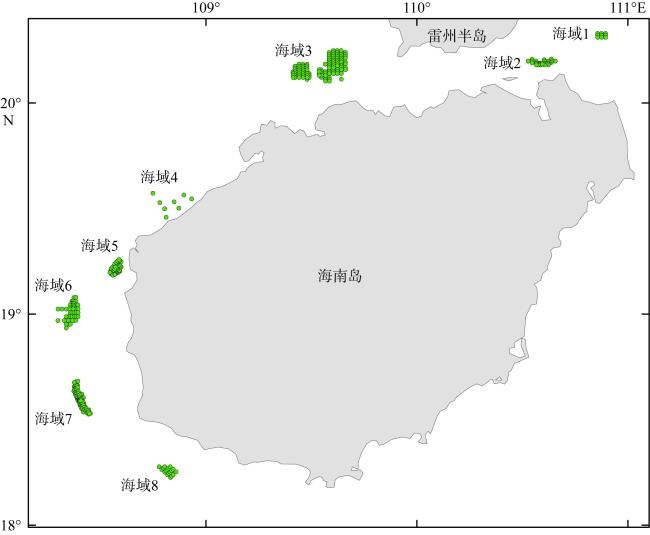
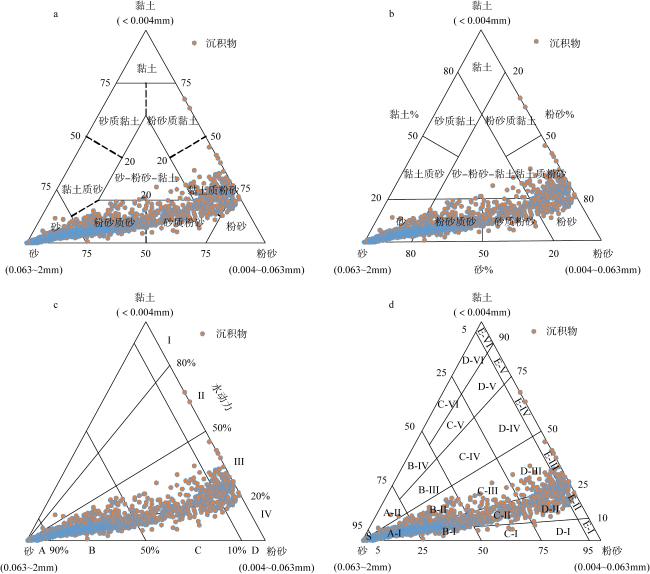
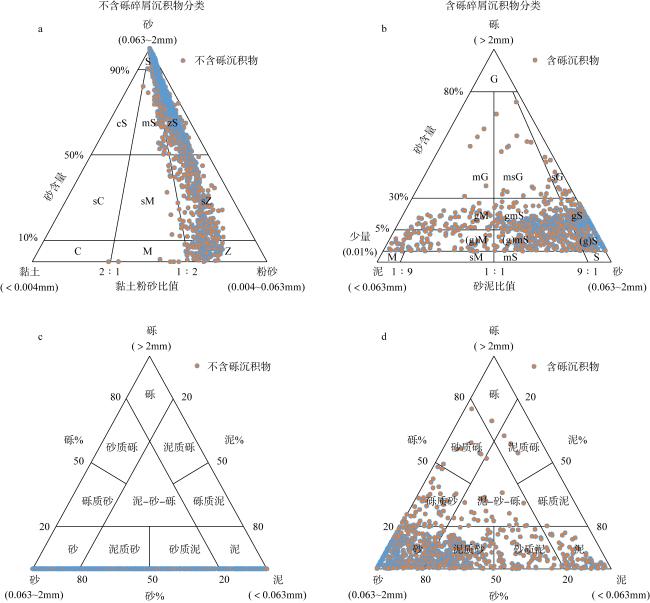
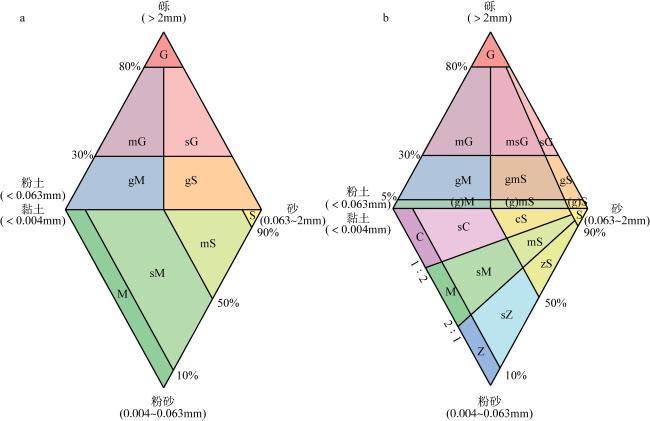
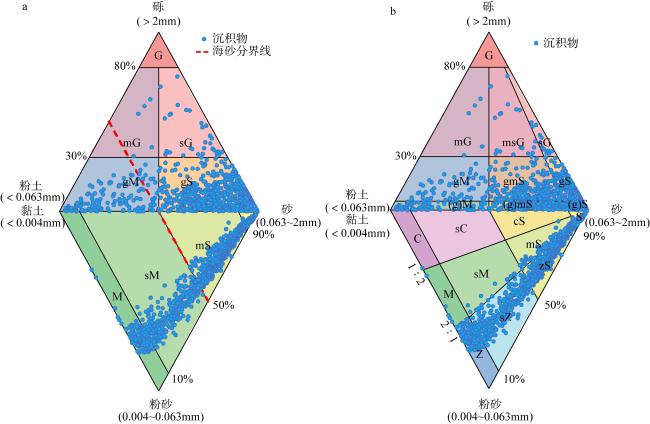
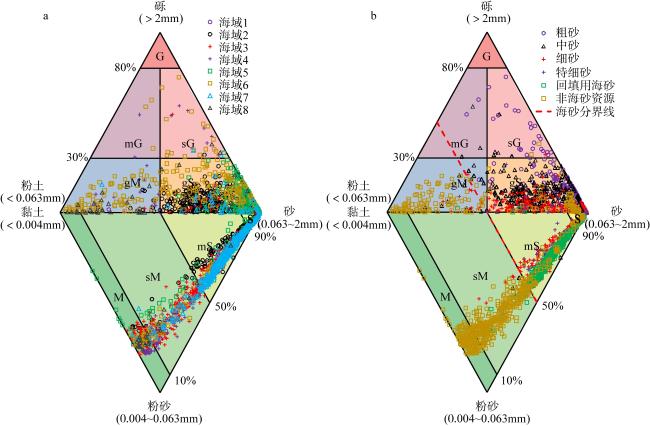
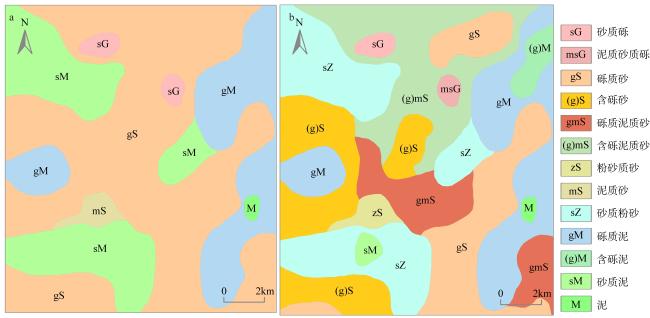
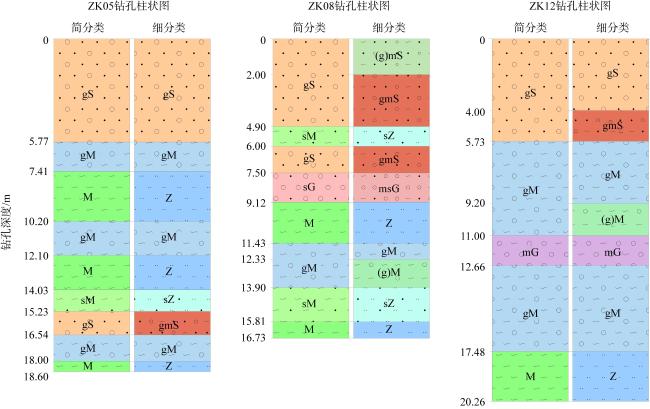
Over the past decade, there has been a surge in marine sand exploration and the public transfer of marine sand mining rights. Approximately 390 million cubic meters of marine sand resources have been transferred in the coastal regions of Guangdong, Guangxi, and Fujian. However, the classification of marine sand sediments remains challenging due to the variety of methods in use and the lack of a mature, unified classification system. Addressing this urgent technical issue, we propose a suitable classification method for marine sand sediments based on exploration practices in the waters surrounding Hainan Island. By comparing different classification methods and their application effects, this proposed scheme is represented by a diamond diagram, categorizing nine sediment types: gravel (G), sandy gravel (sG), muddy gravel (mG), gravel sand (gS), gravel mud (gM), sand (S), muddy sand (mS), sandy mud (sM), and mud (M). Additionally, a subdivision scheme has been introduced to align closely with the Folk classification method. This classification scheme is both descriptive and explanatory, concise, and emphasizes the significance of each grain grade's content, including gravel, sand, silt, and clay. It ensures practicality for sediment classification and paves the way for further laboratory research.
Key words: marine sand; clastic sediments; classification; diamond diagram
LIN Mingzhi , CHEN Bo , CHEN Yang . Discussion on classification methods of clastic sediment suitable for marine sand exploration[J]. Journal of Tropical Oceanography, 2025 , 44(6) : 165 -175 . DOI: 10.11978/2025029
表1 本文的海砂沉积物分类命名Tab. 1 Classification and naming of marine sand sediments in this paper |
| 沉积物类型 | 分类依据 | 沉积物细分类型 | 细分依据 |
|---|---|---|---|
| 砾 | 砾≥80% | 砾 | |
| 砂质砾 | 砾≥30%, 砂/粉土≥1 | 砂质砾、泥质砂质砾 | 砂/粉土比值9:1 |
| 泥质砾 | 砾≥30%, 砂/粉土<1 | 泥质砾 | |
| 砾质砂 | 0%<砾<30%, 砂/粉土≥1 | 砾质砂、砾质泥质砂、含砾砂、含砾泥质砂 | 砂/粉土比值9:1 |
| 砾质泥 | 0%<砾<30%, 砂/粉土<1 | 砾质泥、含砾泥 | 砂/粉土比值9:1 |
| 砂 | 砂≥90% | 砂 | |
| 泥质砂 | 50%≤砂<90% | 粉砂质砂、泥质砂、黏土质砂 | 粉砂/黏土比值2:1和1:2 |
| 砂质泥 | 10%≤砂<50% | 砂质粉砂、砂质泥、砂质黏土 | 粉砂/黏土比值2:1和1:2 |
| 泥 | 砂<10% | 粉砂、泥、黏土 | 粉砂/黏土比值2:1和1:2 |
表2 本文的海砂沉积物分类与Folk分类对比Tab. 2 Comparison between the classification of marine sand sediments in this paper and Folk’s classification |
| 本文的沉积物类型 | Folk分类沉积物类型 | ||
|---|---|---|---|
| 简分类型 | 细分类型 | 含砾分类 | 不含砾分类 |
| 砾(G) | 砾(G) | 砾(G) | |
| 砂质砾(sG) | 砂质砾(sG) | 砂质砾(sG) | |
| 泥质砂质砾(msG) | 泥质砂质砾(msG) | ||
| 泥质砾(mG) | 泥质砾(mG) | 泥质砾(mG) | |
| 砾质砂(gS) | 砾质砂(gS) | 砾质砂(gS) | |
| 砾质泥质砂(gmS) | 砾质泥质砂(gmS) | ||
| 含砾砂((g)S) | 含砾砂((g)S) | ||
| 含砾泥质砂((g)mS) | 含砾泥质砂((g)mS) | ||
| 砾质泥(gM) | 砾质泥(gM) | 砾质泥(gM) | |
| 含砾泥((g)m) | 含砾泥((g)m) | ||
| 砂(S) | 砂(S) | 砂(S) | 砂(S) |
| 泥质砂(mS) | 粉砂质砂(zS) | 泥质砂(mS) | 粉砂质砂(zS) |
| 泥质砂(mS) | 泥质砂(mS) | 泥质砂(mS) | |
| 黏土质砂(cS) | 泥质砂(mS) | 黏土质砂(cS) | |
| 砂质泥(sM) | 砂质粉砂(sZ) | 砂质泥(sM) | 砂质粉砂(sZ) |
| 砂质泥(sM) | 砂质泥(sM) | 砂质泥(sM) | |
| 砂质黏土(sC) | 砂质泥(sM) | 砂质黏土(sC) | |
| 泥(M) | 粉砂(Z) | 泥(M) | 粉砂(Z) |
| 泥(M) | 泥(M) | 泥(M) | |
| 黏土(C) | 泥(M) | 黏土(C) | |
| [1] |
国家海洋局, 1975. 海洋调查规范(第四分册: 海洋地质调查)[M]. 北京: 海洋出版社 (in Chinese).
|
| [2] |
国家市场监督管理总局, 国家标准化管理委员会, 2022. 建设用砂: GB/T 14684—2022[S]. 北京: 中国标准出版社.
State Administration for Market Regulation, National Standardization Administration, 2022. Sand for construction: GB/T 14684—2022[S]. Beijing: Standards Press of China (in Chinese).
|
| [3] |
海南省市场监督管理局, 2024. 海砂地质勘查规范: DB46/T 637—2024[S].
Hainan Provincial Administration for Market Regulation, 2024. Specifications for marine sand exploration: DB46/T 637—2024[S]. (in Chinese).
|
| [4] |
郝连成, 远继东, 郑立龙, 等, 2022. 湛江湾海域表层沉积物粒度特征及沉积环境[J]. 海洋地质前沿, 38(8): 1-10.
|
| [5] |
何起祥, 李绍全, 刘健, 2002. 海洋碎屑沉积物的分类[J]. 海洋地质与第四纪地质, 22(1): 115-121.
|
| [6] |
刘志杰, 殷汝广, 2011. 浅海沉积物分类方法研讨[J]. 海洋通报, 30(2): 194-199.
|
| [7] |
吕纪轩, 胡日军, 李毅, 等, 2020. 烟台北部近岸海域表层沉积物粒度分布及沉积动力环境特征[J]. 海洋地质前沿, 36(4): 27-36.
|
| [8] |
倪玉根, 李建国, 习龙, 2021. 海砂粒级划分标准和沉积物命名方法探讨[J]. 热带海洋学报, 40(3): 143-151.
|
| [9] |
瞿洪宝, 苟鹏飞, 孙龙飞, 等, 2021. 海南岛崖州湾表层沉积物空间分布特征及其受控机制[J]. 海洋学报, 43(12): 70-81.
|
| [10] |
王中波, 杨守业, 张志珣, 2007. 两种碎屑沉积物分类方法的比较[J]. 海洋地质动态, 23(3): 36-40.
|
| [11] |
王中波, 何起祥, 杨守业, 等, 2008. 谢帕德和福克碎屑沉积物分类方法在南黄海表层沉积物编图中的应用与比较[J]. 海洋地质与第四纪地质, 28(1): 1-8.
|
| [12] |
肖晓, 石要红, 冯秀丽, 等, 2016. 北部湾表层沉积物粒度分布规律及沉积动力分区[J]. 中国海洋大学学报(自然科学版), 46(5): 83-89.
|
| [13] |
薛春汀, 1994. 两种碎屑沉积物分类的比较[J]. 海洋地质与第四纪地质, 14(2): 109-113.
|
| [14] |
赵东波, 2009. 常用沉积物粒度分类命名方法探讨[J]. 海洋地质动态, 25(8): 41-44+46 (in Chinese).
|
| [15] |
赵京涛, 阚靖, 胡邦琦, 等, 2024. 中国重点海域海砂资源调查和潜力评价进展[J]. 海洋地质与第四纪地质, 44(3): 90-97.
|
| [16] |
中华人民共和国国家技术监督局, 1992. 海洋调查规范-海洋地质地球物理调查: GB/T 13909—1992[S]. 北京: 中国标准出版社.
State Bureau of Quality and Technical Supervision of the People’s Republic of China, 1992. Specification for oceanographic survey-Marine geology and geophysics investigation: GB/T 13909—1992[S]. Beijing: Standards Press of China (in Chinese).
|
| [17] |
中华人民共和国国家质量监督检疫总局, 中国国家标准化管理委员会, 2007. 海洋调查规范第8部分: 海洋地质地球物理调查: GB/T 12763. 8—2007[S]. 北京: 中国标准出版社.
General Administration of Quality Supervision, Inspection and Quarantine of the People’s Republic of China, Standardization Administration of the People’s Republic of China, 2007. Specifications for oceanographic survey: Part 8: Marine geology and geophysics survey: GB/T 12763. 8—2007[S]. Beijing: Standards Press of China (in Chinese).
|
| [18] |
中华人民共和国自然资源部, 2024. 矿产地质勘查规范海砂: DZ/T 0494—2024[S]. 北京: 地质出版社.
Ministry of Natural Resources of the People's Republic of China, 2024. Specification for marine sand exploration: DZ/T 0494—2024[S]. Beijing: Geological Publishing House (in Chinese).
|
| [19] |
|
| [20] |
|
| [21] |
|
| [22] |
|
/
| 〈 |
|
〉 |