

Journal of Tropical Oceanography ›› 2026, Vol. 45 ›› Issue (4): 140-152.doi: 10.11978/2025193CSTR: 32234.14.2025193
• Marine Environmental Science • Previous Articles Next Articles
Distribution characteristics and pollution assessment of biogenic elements in sediments of the Maowei Sea*
WANG Zeyu1( ), LU Dongliang1,2,3(), ZHOU Jiaodi1,2(), JIN Zhuling1, LU Jinfeng1, LI Chenyang1
- 1
College of Marine Sciences ,Beibu Gulf University
2Guangxi Key Laboratory of Marine Environmental Disaster Processes and Ecological Protection Technology ,Beibu Gulf University
3Pinglu Canal and Beibu Gulf Coastal Ecosystem Observation and Research Station of Guangxi ,Beibu Gulf University
-
Received:2025-10-16Revised:2025-11-12Online:2026-07-10Published:2026-07-31 -
Contact:LU Dongliang, email: ldl@bbgu.edu.cn;ZHOU Jiaodi, email: Zhoujodie@bbgu.edu.cn -
Supported by:Guangxi Natural Science Foundation(GuikeLT2504240009); Guangxi Natural Science Foundation(2025GXNSFDA02850005); National Natural Science Foundation of China(41966002); National Natural Science Foundation of China(42166002); Guangxi Key Laboratory of Marine Environmental Change and Disaster in Beibu Gulf, Independent Project(2023ZZ01); Open Topic(2020KF02); Experimental Research on Beibu Gulf Scientific Expedition 2023 (NORC2024-11) under the National Natural Science Foundation of China-Shared Voyage Program Proiect (42349911); Experimental Research on Beibu Gulf Scientific Expedition 2023(NORC2024-11); Guangxi Beibu Gulf Marine Ecological Environment Field Observation and Research Station(Guike 230267271)

CLC Number:
- P76
Cite this article
WANG Zeyu, LU Dongliang, ZHOU Jiaodi, JIN Zhuling, LU Jinfeng, LI Chenyang. Distribution characteristics and pollution assessment of biogenic elements in sediments of the Maowei Sea*[J].Journal of Tropical Oceanography, 2026, 45(4): 140-152.
share this article
Add to citation manager EndNote|Reference Manager|ProCite|BibTeX|RefWorks
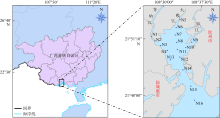
Fig. 1
Map of the study area and sampling stations"
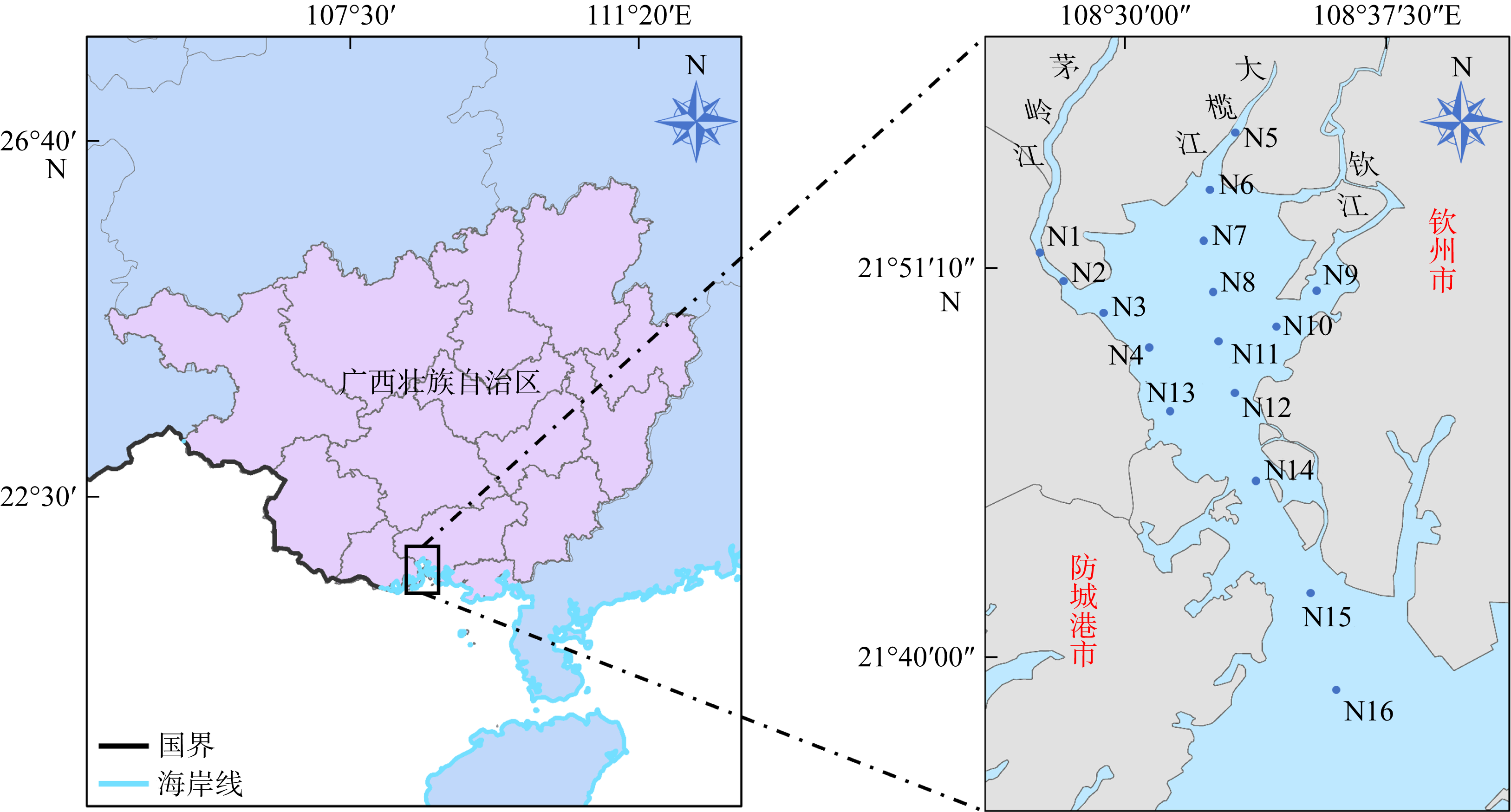
Fig. 1
Tab. 1
Assessment criteria for sediment biogenic element pollution"
| 等级 | ${{\omega }_{\text{TOC}}}$/% | ${{\omega }_{\text{TN}}}$/% | ${{\omega }_{\text{TP}}}$/% | 污染程度 |
|---|---|---|---|---|
| Ⅰ | < 1 | < 0.055 | < 0.06 | 安全级 |
| Ⅱ | 1 ~ 10 | 0.055 ~ 0.48 | 0.06 ~ 0.2 | 最低级 |
| Ⅲ | > 10 | > 0.48 | > 0.2 | 严重级 |
Tab. 1
Tab. 2
Comprehensive assessment criteria for marine pollution"
| 等级 | A | 污染情况 |
|---|---|---|
| Ⅰ | A < 1.0 | 清洁 |
| Ⅱ | 1.0≤A < 2.5 | 轻度污染 |
| Ⅲ | 2.5≤A < 3.0 | 中度污染 |
| Ⅳ | A≥3.0 | 重度污染 |
Tab. 2
Tab. 3
Assessment criteria for sediment organic index"
| 等级 | 有机指数${{I}_{\text{O}}}$ | 污染情况 |
|---|---|---|
| Ⅰ | ${{I}_{\text{O}}}$ < 0.05 | 清洁 |
| Ⅱ | 0.05≤${{I}_{\text{O}}}$< 0.2 | 较清洁 |
| Ⅲ | 0.2 ≤${{I}_{\text{O}}}$< 0.5 | 尚清洁 |
| Ⅳ | ${{I}_{\text{O}}}$ ≥ 0.5 | 有机污染 |
Tab. 3
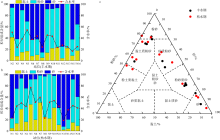
Fig. 2
Distribution of grain size composition, moisture content (a: wet season; b: dry season) and soil texture triangle (c) in surface sediments of the Maowei Sea"

Fig. 2
Tab. 4
Physical and chemical properties of surface sediments in the Maowei Sea during wet and dry periods"
| 采样时间 | 黏土/% | 粉砂/% | 砂/% | 含水率/% | 盐度/‰ | pH | Chl-a/(μg·g-1) | C/N | |
|---|---|---|---|---|---|---|---|---|---|
| 丰水期 (7月; n=14) | 范围 | 4.19~41.25 | 9.45~77.83 | 0.00~85.49 | 16.84~53.97 | 2.24~24.18 | 7.15~9.25 | 1.36~9.09 | 6.49~34.39 |
| 均值±标准差 | 15.38±9.75a | 47.50±23.42a | 37.11±30.29a | 33.95±11.84a | 8.73±6.35a | 8.01±0.80a | 3.73±2.19a | 14.72±6.64a | |
| 枯水期 (12月; n=15) | 范围 | 2.19~50.06 | 5.50~77.86 | 0.17~92.31 | 18.68~76.63 | 12.24~30.21 | 7.40~8.60 | 0.10~11.55 | 9.71~38.06 |
| 均值±标准差 | 21.18±15.82b | 49.43±22.82a | 29.39±32.32b | 43.77±14.98b | 21.61±4.66b | 8.15±0.45a | 4.68±2.65a | 18.89±8.12b |
Tab. 4
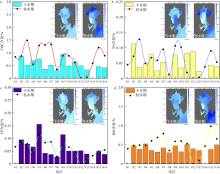
Fig. 3
Distribution of TOC (a), TN (b), TP (c) and BSi (d) contents in surface sediments of the Maowei Sea during wet and dry seasons"
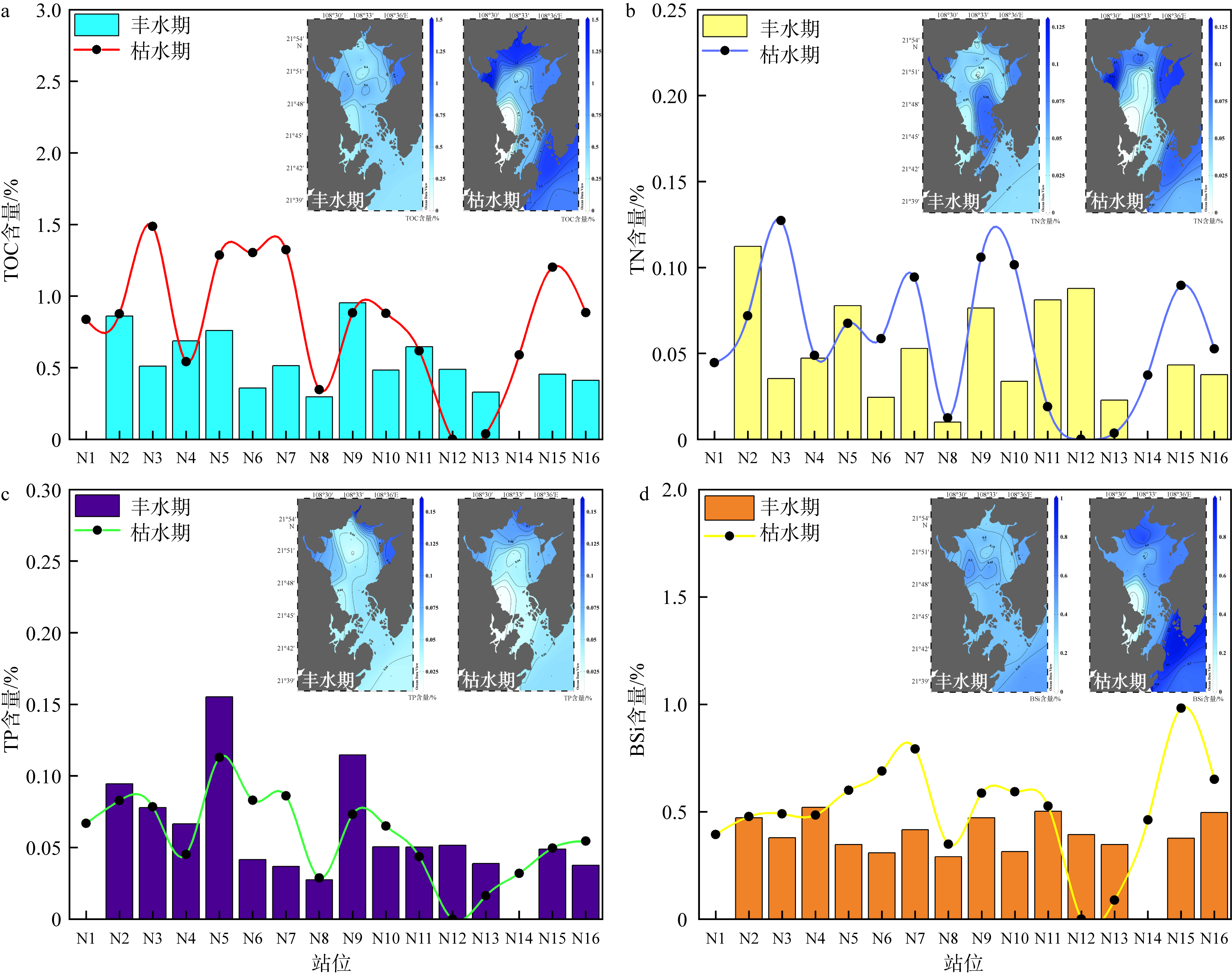
Fig. 3
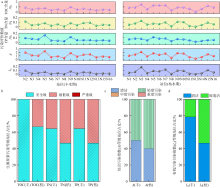
Fig. 4
Pollution assessment of surface sediments in the Maowei Sea during wet and dry seasons"

Fig. 4
Tab. 5
Comparison of average biogenic element contents in sediments of the study area with those in other sea areas in China"
| 研究区域 | TOC含量/% | TN含量/% | TP含量/% | BSi含量/% | 采样时间 | 参考文献 |
|---|---|---|---|---|---|---|
| 茅尾海 | 0.554 | 0.053 | 0.064 | 0.402 | 2024.7 | 本研究 |
| 茅尾海 | 0.873 | 0.062 | 0.061 | 0.544 | 2024.12 | 本研究 |
| 茅尾海 | 0.535 | 0.045 | 0.034 | - | 2018.7 | 徐程 等, |
| 珍珠湾 | 0.360 | 0.093 | 0.013 | - | 2021.8 | 苏琼源 等, |
| 湛江湾 | 0.590 | - | 0.026 | - | 2017.8 | 周凤霞 等, |
| 胶州湾 | 0.420 | 0.063 | 0.036 | 0.660 | 2021.5 | 王猛 等, |
| 珠江口伶仃洋 | 0.620 | 0.060 | - | - | 2020.5 | 黎灿明 等, |
| 青岛近岸海域 | 0.770 | 0.090 | 0.120 | 0.400 | 2017.11 | 雷明丹 等, |
| 粤东近岸海域 | 0.520 | 0.079 | 0.049 | - | 2020—2021 | 林聪 等, |
Tab. 5
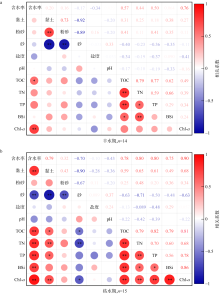
Fig. 5
Correlation analysis of surface sedimentary environmental factors in the Maowei Sea during the wet season (a) and dry season (b)"
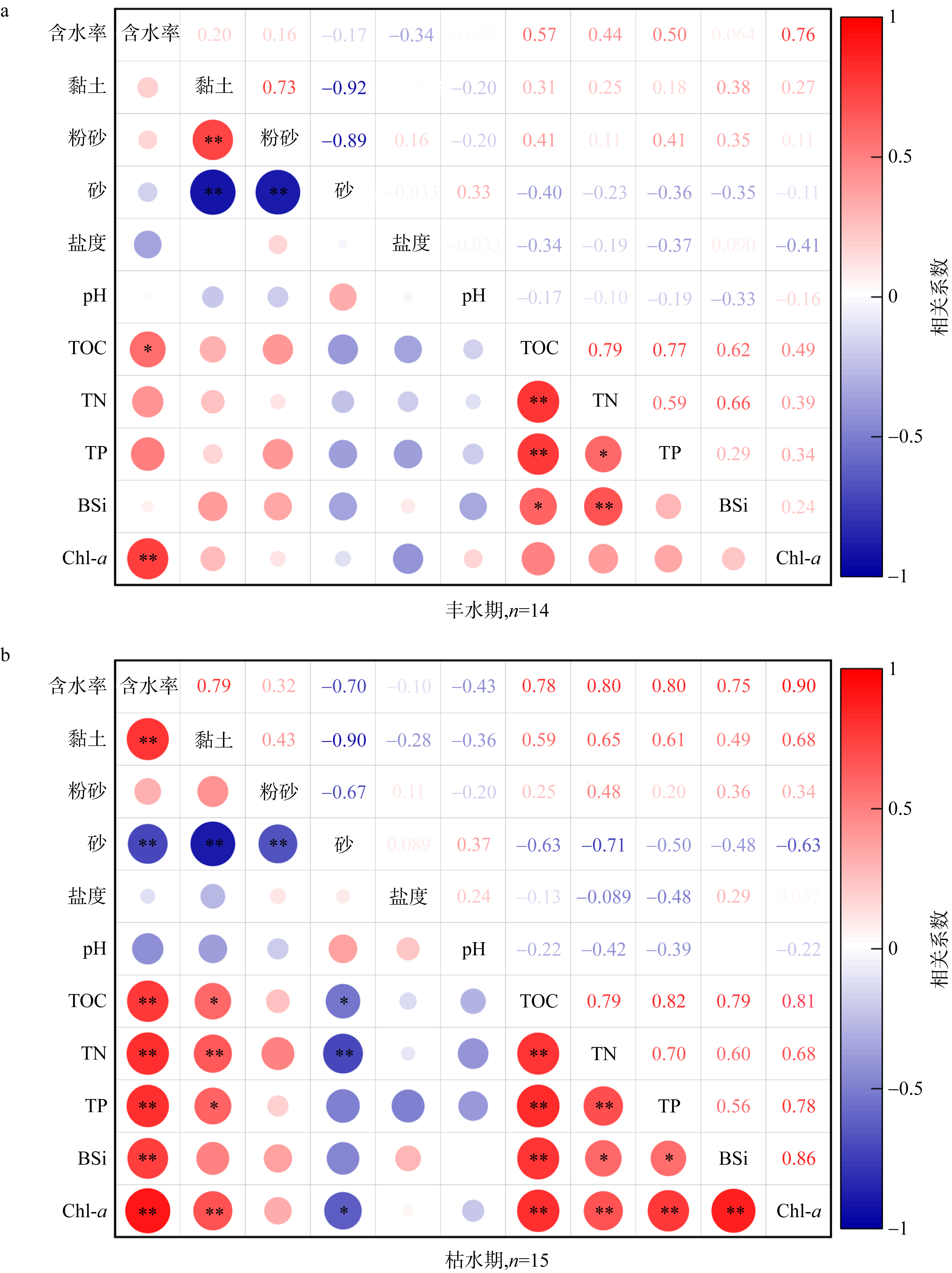
Fig. 5
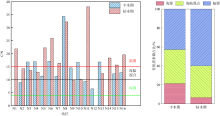
Fig. 6
C/N ratios and proportions of organic matter sources in surface sediments of the Maowei Sea during wet and dry seasons"

Fig. 6
Tab. 6
Comparison of sediment pollution index levels in this study with those in other sea areas in China"
| 研究区域 | 污染等级 | |||||
|---|---|---|---|---|---|---|
| TOC | TN | TP | A | ${I}_{\text{O}}$ | 参考文献 | |
| 茅尾海 | Ⅰ—Ⅱ | Ⅰ—Ⅱ | Ⅰ—Ⅱ | Ⅰ—Ⅱ | Ⅰ—Ⅱ | 本研究 |
| 珍珠港 | - | Ⅰ—Ⅲ | Ⅰ—Ⅱ | Ⅰ—Ⅱ | Ⅰ | 苏琼源 等, |
| 湛江港、北海港 | Ⅱ | Ⅱ | Ⅰ | - | - | 梁采莹 等, |
| 粤东海域 | Ⅰ | Ⅱ | Ⅰ | Ⅰ—Ⅲ | - | 林聪 等, |
| 象山港 | Ⅱ | Ⅱ | Ⅰ | Ⅰ—Ⅱ | - | 王文婷 等, |
| 杏林湾 | - | Ⅱ | Ⅰ—Ⅲ | - | Ⅱ—Ⅳ | 陈建勇, |
| 桑沟湾 | Ⅰ | Ⅱ | Ⅰ | Ⅱ—Ⅲ | Ⅱ—Ⅲ | 杨艳云, |
| 渤海海域 | Ⅰ—Ⅱ | Ⅱ | Ⅰ | Ⅰ—Ⅱ | Ⅰ—Ⅳ | 宋逸群 等, |
Tab. 6
| [1] |
陈建勇, 2025. 厦门杏林湾沉积物有机质、氮、磷污染空间分布及治理对策[J]. 热带海洋学报, 44(4): 200-209.
|
|
|
|
| [2] |
范成新, 刘敏, 王圣瑞, 等, 2021. 近20年来我国沉积物环境与污染控制研究进展与展望[J]. 地球科学进展, 36(4): 346-374.
doi: 10.11867/j.issn.1001-8166.2021.038 |
|
doi: 10.11867/j.issn.1001-8166.2021.038 |
|
| [3] |
雷明丹, 王朝晖, 江涛, 2021. 青岛近岸海域表层沉积物生源要素分布及污染状况评价[J]. 海洋环境科学, 40(1): 93-100.
|
|
|
|
| [4] |
黎灿明, 宋之光, 夏嘉, 等, 2025. 珠江口表层沉积物有机质碳氮丰度及其同位素组成与来源分析[J]. 海洋环境科学, 44(3): 369-376.
|
|
|
|
| [5] |
李红军, 程岩, 杜益晓, 等, 2022. 鸭绿江口生源要素的垂直分布及对环境变化的响应[J]. 环境化学, 41(12): 4068-4076.
|
|
|
|
| [6] |
李任伟, 1998. 沉积物污染和环境沉积学[J]. 地球科学进展, (4): 81-85.
|
|
|
|
| [7] |
梁采莹, 王朝晖, 郭鑫, 等, 2017. 环北部湾典型港湾表层沉积物中生源要素分布特征[J]. 海洋环境科学, 36(5): 648-654.
|
|
|
|
| [8] |
林聪, 蒋俊祎, 侯中尧, 等, 2025. 粤东近岸海域表层沉积物碳、氮、磷分布规律及污染评价[J]. 水生态学杂志, 46(5): 129-138.
|
|
|
|
| [9] |
庞巧珠, 骆丽珍, 曾广锐, 等, 2021. 黎安港海水和沉积物中叶绿素a含量及与环境因子的关系分析[J]. 海洋湖沼通报, 43(1): 133-141.
|
|
|
|
| [10] |
饶义勇, 赵美榕, 旷泽行, 等, 2024. 浮筏式牡蛎养殖对大型底栖动物群落功能结构的影响: 以大鹏澳为例[J]. 热带海洋学报, 43(5): 69-83.
|
|
|
|
| [11] |
宋逸群, 王传远, 靳文静, 等, 2022. 渤海辽东湾海域表层沉积物有机质特征、来源及环境评价分析[J]. 生态科学, 41(2): 84-90.
|
|
|
|
| [12] |
苏琼源, 王才广, 黄亮亮, 等, 2023. 广西主要海湾表层沉积物营养物和重金属研究-分布特征及风险评估[J]. 中国环境科学, 43(S1): 221-232.
|
|
|
|
| [13] |
孙东启, 亢振军, 杨斌, 等, 2025. 茅尾海入海河口区沉积物生源要素分布及来源[J/OL]. 中国环境科学, (2025-09-30)[2025-11-12].
|
|
|
|
| [14] |
田蜜, 张健, 廖日权, 等, 2025. 钦州湾表层海水中全氟烷基化合物的时空变化及来源解析[J/OL]. 热带海洋学报, (2025-10-28) [2025-11-12].
|
|
|
|
| [15] |
童凯, 赵银军, 胡宝清, 等, 2026. 平陆运河建设前极端降水对广西北部湾钦江输沙量影响[J]. 水土保持研究, 33(1): 39-45.
|
|
|
|
| [16] |
王猛, 王玉珏, 刘栋, 等, 2022. 胶州湾水体和表层沉积物营养环境现状及影响因素[J]. 海洋学报(中文版), 44(10): 49-62.
|
|
|
|
| [17] |
王文婷, 王朝晖, 刘磊, 等, 2019. 东海典型港湾表层沉积物中主要生源要素分布及污染状况分析[J]. 海洋通报, 38(6): 690-697.
|
|
|
|
| [18] |
徐程, 杨斌, 莫小荣, 等, 2021. 茅尾海入海河口区表层沉积物磷形态特征研究[J]. 海洋环境科学, 40(2): 250-257.
|
|
|
|
| [19] |
杨斌, 冯文慧, 周孝萱, 等, 2025. 茅尾海入海河口区柱状沉积物对磷的吸附行为特征[J]. 渔业科学进展, 46(2): 53-63.
|
|
|
|
| [20] |
杨功旭, 姚政权, 冯晗, 等, 2023. 北极东西伯利亚陆架表层沉积生物硅分布特征及环境意义[J]. 矿物岩石地球化学通报, 42(4): 717-727+681-683.
|
|
|
|
| [21] |
杨艳云, 2018. 桑沟湾规模化养殖对底质环境的影响评价[D]. 大连: 大连海洋大学.
|
|
|
|
| [22] |
叶曦雯, 刘素美, 张经, 2003. 生物硅的测定及其生物地球化学意义[J]. 地球科学进展, 18(3): 420-426.
doi: 10.11867/j.issn.1001-8166.2003.03.0420 |
|
|
|
| [23] |
翟晓辉, 王华伟, 夏天, 等, 2025. 渤、黄海表层沉积物有机碳的分布特征及影响因素研究[J]. 海洋学报, 47(1): 13-24.
|
|
|
|
| [24] |
中华人民共和国国家质量监督检验检疫总局, 中国国家标准化管理委员会, 2007. GB17378.5-2007海洋监测规范第5部分: 沉积物分析[S]. 北京: 中国标准出版社.
|
|
General Administration of Quality Supervision, Inspection and Quarantine of the People's Republic of China, Standardization Administration of the People's Republic of China, 2007. Specifications for marine monitoring-Part 5: sediment analysis (GB17378.5-2007)[S]. Beijing: Standards Press of China (in Chinese with English abstract).
|
|
| [25] |
周凤霞, 袁柳婷, 陆旋, 等, 2022. 湛江湾表层沉积物不同形态磷的变化特征[J]. 海洋环境科学, 41(4): 509-518.
|
|
|
|
| [26] |
周鹏, 李冬梅, 刘广山, 等, 2010. 南海东北部和南部海域表层沉积物生物硅研究[J]. 热带海洋学报, 29(4): 40-47.
|
|
doi: 10.11978/j.issn.1009-5470.2010.04.040 |
|
| [27] |
doi: 10.1016/j.scitotenv.2021.146899 |
| [28] |
doi: 10.1016/j.jmarsys.2019.103244 |
| [29] |
doi: 10.1016/j.dsr2.2008.06.005 |
| [30] |
doi: 10.3390/ijerph17124430 |
| [31] |
doi: 10.1007/s11802-021-4557-y |
| [32] |
doi: 10.1016/S0146-6380(97)00049-1 |
| [33] |
doi: 10.1016/j.margeo.2022.106952 |
| [34] |
doi: 10.1016/j.scitotenv.2019.01.120 |
| [35] |
doi: 10.1016/j.scitotenv.2024.170092 |
| [36] |
doi: 10.1016/j.marchem.2017.04.001 |
| [37] |
doi: 10.1016/j.ejar.2024.11.009 |
| [1] | ZHOU Weihua, YAO Yukun, LUO Yong, LI Tao, LONG Aimin, HUANG Hui. Long-term variation of dissolved organic carbon and its influencing factors in Sanya Bay* [J]. Journal of Tropical Oceanography, 2026, 45(2): 106-116. |
| [2] | LIANG Shun, HUANG Guibin, HE Guomei, ZHANG Yongchui, ZHOU Yi, WANG Yang, HONG Mei. Analysis of spatiotemporal variation characteristics of local typhoons in the South China Sea [J]. Journal of Tropical Oceanography, 2026, 45(2): 59-70. |
| [3] | DU Shuhuan, XIANG Rong, SU Xiang, ZHANG Lanlan, PAN Zirui, XIE Jinwo, LUO Chuanxiu, WAN Sui. Calcium carbonate composition of surface sediments and influencing factors in the 90°E Ridge of the northeastern Indian Ocean* [J]. Journal of Tropical Oceanography, 2026, 45(1): 73-80. |
| [4] | XIE Xiaokui, LI Xingrong, WANG Riming, DAI Zhijun, GONG Shouji, PANG Wenhong, ZHANG Shangyu. Spatiotemporal succession of the exotic mangrove Sonneratia apetala in the Maowei Sea tidal flats, Beibu Gulf [J]. Journal of Tropical Oceanography, 2025, 44(6): 132-142. |
| [5] | ZENG Debin, PENG Guangyu, YANG Bin, MO Xiaorong, ZHOU Jiaodi, HUANG Haifang, YAN Tingting. Distribution characteristics of dissolved carbohydrates and their influencing factors in the Maowei Sea, Qinzhou Bay, northern South China Sea [J]. Journal of Tropical Oceanography, 2025, 44(3): 197-205. |
| [6] | ZHANG Min, WU Hangxing, LU Yibin, LU Diwen, MI Jie, ZHU Donglin, CHEN Bo. Impact of the coastal reclamations on topography evolution in the Qinzhou Bay, Guangxi [J]. Journal of Tropical Oceanography, 2023, 42(2): 124-131. |
| [7] | WANG Zhaohui, ZHANG Yuning, WANG Wenting, XIE Changliang, CHEN Jiazhuo, ZHENG Hu, WANG Junxing. Distribution of dinoflagellate cysts in surface sediments on the Dongshan Bay, Fujian province, China [J]. Journal of Tropical Oceanography, 2022, 41(4): 154-162. |
| [8] | QIAO Yong-min,GU Ji-guang,YANG-Yang,HUANG Chang-jiang. The distribution, enrichment and pollution assessment of heavy metals in surface sediments of sea areas around the Nanao Island [J]. Journal of Tropical Oceanography, 2010, 29(1): 77-84. |
| [9] |
, . null [J]. Journal of Tropical Oceanography, 2009, 28(3): 45-53. |
|
||