

热带海洋学报 ›› 2026, Vol. 45 ›› Issue (1): 17-26.doi: 10.11978/2025034CSTR: 32234.14.2025034
东印度洋深层环流和水团变异研究进展*
梁湛林1,2( ), 王卫强1,2()
- 1热带海洋环境与岛礁生态全国重点实验室(中国科学院南海海洋研究所), 广东 广州 511458
2广东省海洋遥感与大数据重点实验室(中国科学院南海海洋研究所), 广东 广州 510301
-
收稿日期:2025-01-28修回日期:2025-03-03出版日期:2026-01-10发布日期:2026-01-30 -
通讯作者:王卫强 -
作者简介:梁湛林(1992—), 男, 助理研究员, 从事东印度洋深层环流研究。email: liangzl@scsio.ac.cn
*本研究的数据及样品采集得到国家自然科学基金共享航次计划项目(项目批准号: 42249910、42149910)的资助, 该航次(航次编号NORC2023-10+NORC2023-303和NORC2022-10+NORC2022-303)由中国科学院南海海洋研究所“实验6”号科考船实施, 在此一并致谢。感谢美国国家海洋和大气管理局提供的WOA23 (World Ocean Atlas 2023)数据支撑, 感谢绘制地形图所使用的GMT软件(Wessel et al,
2019 ) -
基金资助:中国科学院海外科教合作中心部署项目(133244KYSB20200024); 国家重点研发计划项目(2022YFE0203500); 广东省科技计划项目(2022B1212050003); 中国科学院国际伙伴计划项目(059GJHZ2023104MI); 中国科学院南海海洋研究所自主部署项目(SCSIO202201); 中国科学院南海海洋研究所自主部署项目(SCSIO2023HC07); 国家自然科学基金共享航次计划项目(42249910); 国家自然科学基金共享航次计划项目(42149910)
Research progress on the characteristics of deep-sea circulation and water masses in the deep Eastern Indian Ocean*
LIANG Zhanlin1,2(), WANG Weiqiang1,2()
- 1State Key Laboratory of Tropical Oceanography, South China Sea Institute of Oceanology, Chinese Academy of Sciences, Guangzhou 511458, China
2Guangdong Key Lab of Ocean Remote Sensing and Big Data (LORS), South China Sea Institute of Oceanology, Chinese Academy of Sciences, Guangzhou 510301, China
-
Received:2025-01-28Revised:2025-03-03Online:2026-01-10Published:2026-01-30 -
Contact:WANG Weiqiang -
Supported by:Project Deployment for the Overseas Science and Education Cooperation Center of the Chinese Academy of Sciences(133244KYSB20200024); National Key Research and Development Program of China(2022YFE0203500); Science and Technology Planning Project of Guangdong Province, China(2022B1212050003); International Partnership Program of Chinese Academy of Sciences(059GJHZ2023104MI); Development Fund of South China Sea Institute of Oceanology of the Chinese Academy of Sciences(SCSIO202201); Development Fund of South China Sea Institute of Oceanology of the Chinese Academy of Sciences(SCSIO2023HC07); Shiptime Sharing Project of National Natural Science Foundation of China (NSFC)(42249910); Shiptime Sharing Project of National Natural Science Foundation of China (NSFC)(42149910)

摘要:
东印度洋深海是全球深海系统的重要组成部分, 在全球碳循环、热量分配和营养物质运输中具有重要作用。东印度洋深海被90°E海岭分成中印度洋海盆和西澳大利亚海盆, 两个海盆间的水团特性和环流具有显著差异。为了进一步深入理解东印度洋的深海环流及水团特征, 本文通过回顾现有的研究成果, 总结和阐述了: 1)东印度洋深海地形的特殊性; 2)深海水团的来源和路径; 3)深层经向翻转环流; 4)中印度洋海盆和西澳大利亚海盆之间深层水的差异和联系。最后, 本文提出了未来东印度洋深海研究中需要重点关注的科学问题, 旨在为该领域的进一步研究提供参考。
中图分类号:
- P731.27
引用本文
梁湛林, 王卫强. 东印度洋深层环流和水团变异研究进展*[J]. 热带海洋学报, 2026, 45(1): 17-26.
LIANG Zhanlin, WANG Weiqiang. Research progress on the characteristics of deep-sea circulation and water masses in the deep Eastern Indian Ocean*[J]. Journal of Tropical Oceanography, 2026, 45(1): 17-26.
图1
东印度洋深海的地形特征"
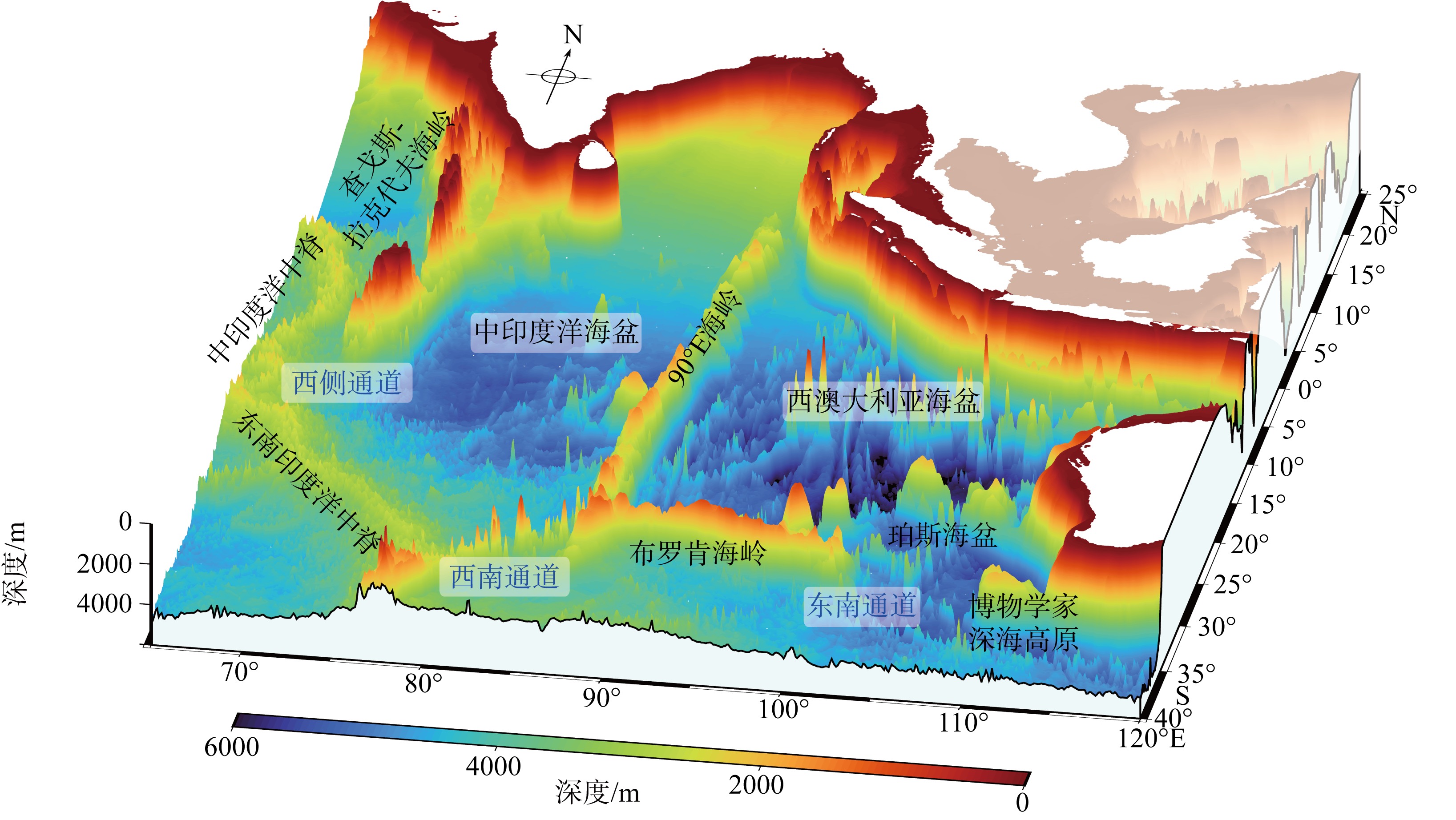
图1
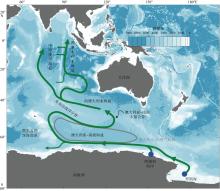
图2
东印度洋深层水来源示意图"

图2
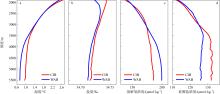
图3
海盆平均后位势温度(a)、盐度(b)、溶解氧浓度(c)和硅酸盐浓度(d)的垂向变化。红线代表中印度洋海盆(CIB), 蓝线代表西澳大利亚海盆(WAB)"
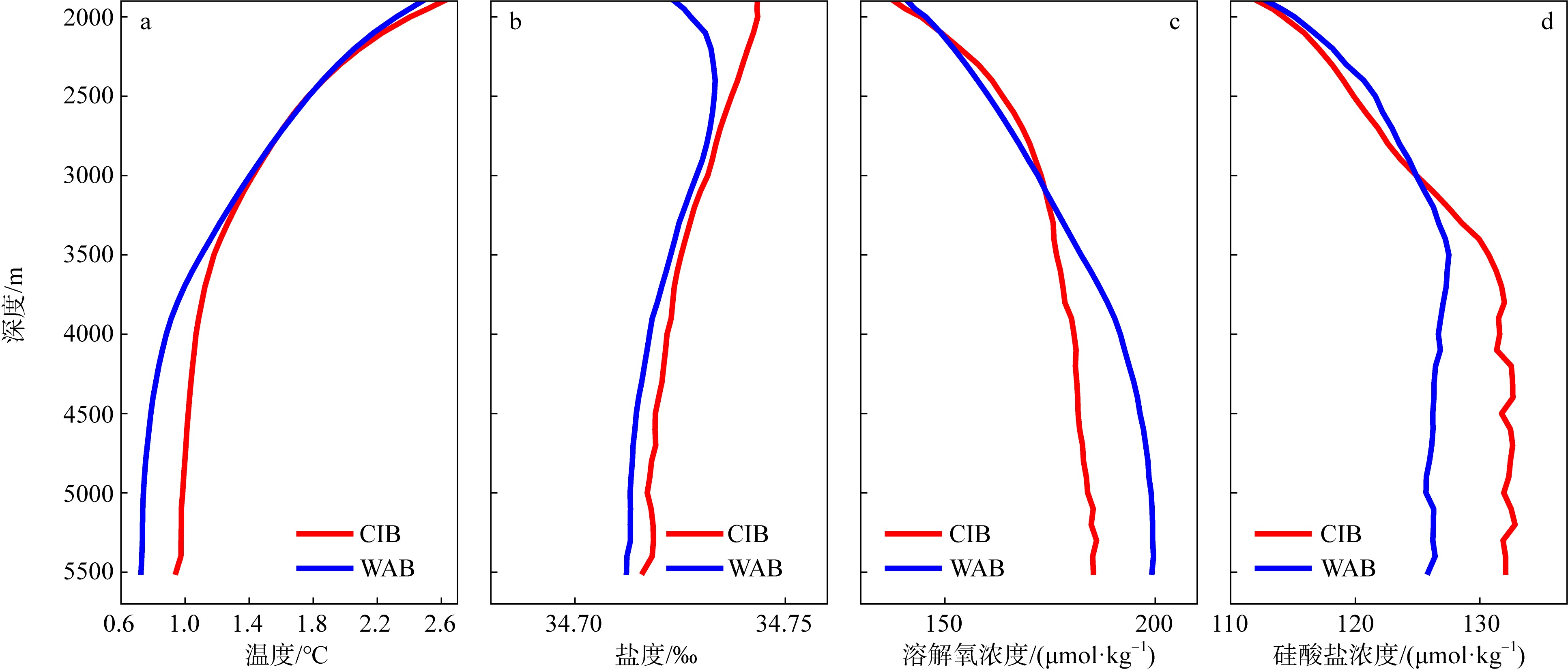
图3
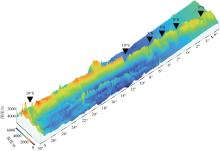
图4
90°E海岭地形以及其缺口示意图"

图4
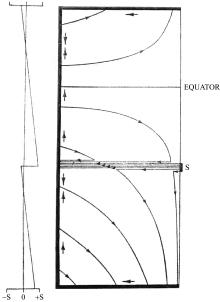
图5
10°S缺口的“深海瀑布”驱动中印度洋海盆底层环流示意图(引自Warren, 1982) 东部边界上的源S提供强迫。带箭头的细线表示内部流动的流线。粗线表示北部、南部和西部边界的海水流线, 箭头表示流动方向。流线束表示的从源点向西流动的纬向喷流。左侧表示西部边界流的体积输运随纬度的变化(正值表示向北流动), 单位为源S的强度"
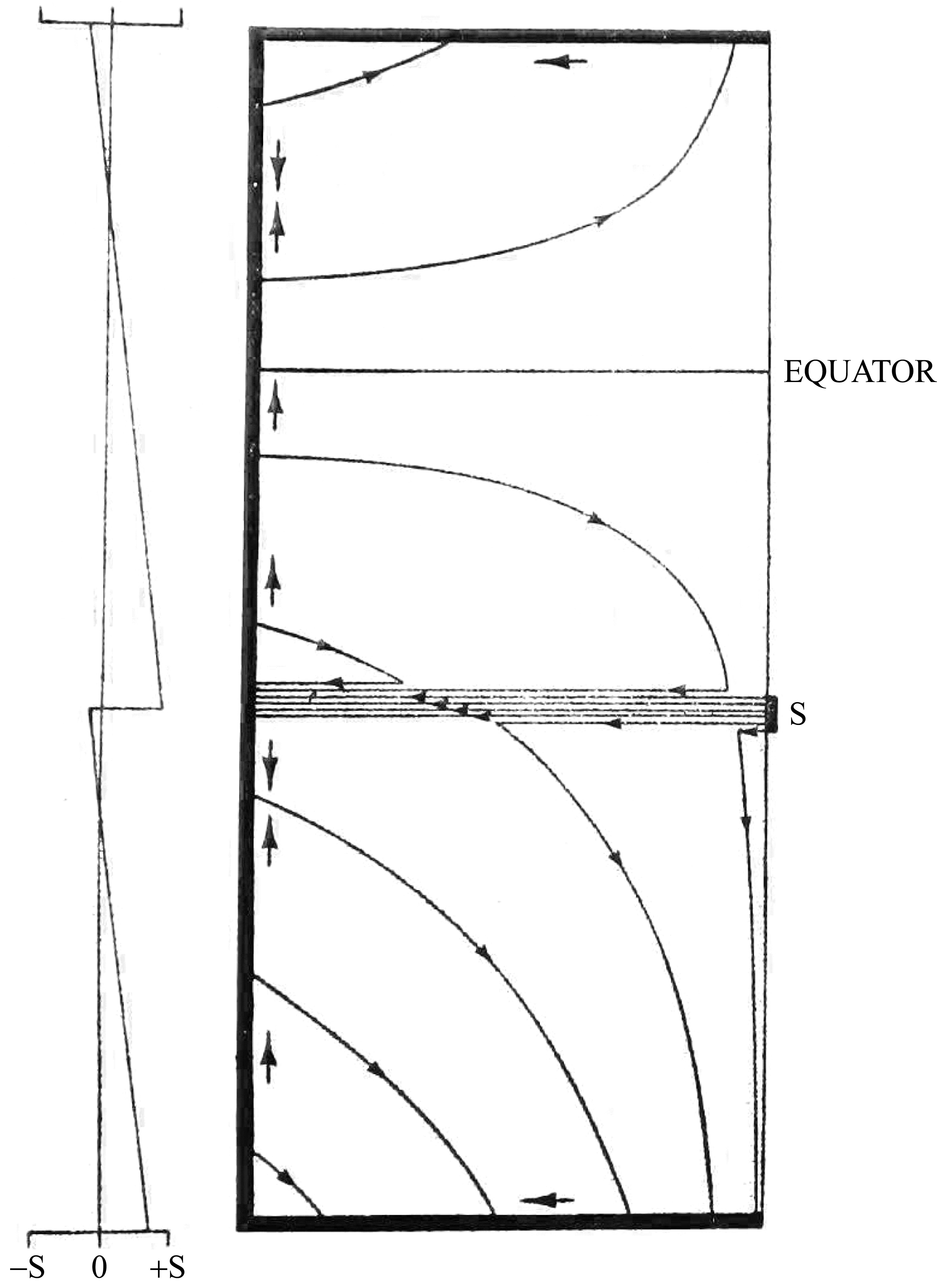
图5
| [1] |
黄旭媚, 王卫强, 刘海龙, 2016. 基于多套数据的印度洋深层经向翻转环流的动力特征[J]. 热带海洋学报, 35(4): 11-20.
doi: 10.11978/2015126 |
|
doi: 10.11978/2015126 |
|
| [2] |
朱佳豪, 裴彦良, 支鹏遥, 等, 2024. 东印度洋东经90°海岭的地球物理特征和成因探讨[J]. 海洋科学进展, 42(3): 515-531.
|
|
|
|
| [3] |
doi: 10.1002/jgrb.v121.5 |
| [4] |
doi: 10.1016/S0967-0645(00)00038-2 |
| [5] |
doi: 10.1029/JB078i026p06029 |
| [6] |
doi: 10.1029/JB078i005p00846 |
| [7] |
|
| [8] |
doi: 10.1038/136936a0 |
| [9] |
doi: 10.1029/1999GL900099 |
| [10] |
doi: 10.1175/2007JPO3640.1 |
| [11] |
|
| [12] |
doi: 10.1016/j.epsl.2010.12.051 |
| [13] |
doi: 10.1007/s004100050087 |
| [14] |
doi: 10.1038/ngeo842 |
| [15] |
|
| [16] |
doi: 10.1038/s41558-023-01667-8 |
| [17] |
doi: 10.1016/j.pocean.2016.06.005 |
| [18] |
doi: 10.1029/97GL02278 |
| [19] |
|
| [20] |
doi: 10.1016/S0079-6611(02)00021-6 |
| [21] |
|
| [22] |
|
| [23] |
|
| [24] |
doi: 10.1175/1520-0485(1998)028<0923:SCOMOA>2.0.CO;2 |
| [25] |
doi: 10.33175/mtr.2021.248158 |
| [26] |
doi: 10.1134/S0001437014020143 |
| [27] |
doi: 10.1126/science.aad0126 |
| [28] |
|
| [29] |
doi: 10.1175/JPO3130.1 |
| [30] |
doi: 10.1016/S0079-6611(98)00020-2 |
| [31] |
|
| [32] |
doi: 10.1016/j.pocean.2007.02.008 |
| [33] |
doi: 10.1016/j.pocean.2008.07.001 |
| [34] |
|
| [35] |
doi: 10.1016/S0079-6611(99)00004-X |
| [36] |
doi: 10.1016/0967-0637(95)00021-W |
| [37] |
doi: 10.1007/BF01204132 |
| [38] |
doi: 10.1016/S0924-7963(98)00026-8 |
| [39] |
doi: 10.1175/JCLI-D-11-00612.1 |
| [40] |
doi: 10.1016/S0079-6611(02)00141-6 |
| [41] |
doi: 10.1016/S0967-0637(96)00126-4 |
| [42] |
|
| [43] |
doi: 10.1029/95RG00879 |
| [44] |
|
| [45] |
doi: 10.1016/S0079-6611(01)00083-0 |
| [46] |
doi: 10.1093/petrology/egt009 |
| [47] |
doi: 10.3389/fmars.2023.1221701 |
| [48] |
|
| [49] |
doi: 10.1175/1520-0485(2001)031<0143:TSOLOT>2.0.CO;2 |
| [50] |
doi: 10.1126/science.277.5334.1956 |
| [51] |
|
| [52] |
doi: 10.1029/2000GL011748 |
| [53] |
doi: 10.1016/j.dsr.2009.07.001 |
| [54] |
doi: 10.1016/j.epsl.2020.116218 |
| [55] |
doi: 10.1016/j.earscirev.2019.102896 |
| [56] |
doi: 10.1016/S0146-6291(58)80014-4 |
| [57] |
doi: 10.1016/j.dsr.2010.01.005 |
| [58] |
doi: 10.1007/s10236-008-0134-9 |
| [59] |
|
| [60] |
doi: 10.1029/97GL02657 |
| [61] |
doi: 10.1029/2018JC014569 |
| [62] |
doi: 10.1016/0967-0637(95)00012-U |
| [63] |
doi: 10.1016/0967-0637(93)90042-2 |
| [64] |
doi: 10.1175/JPO-D-23-0082.1 |
| [65] |
doi: 10.1016/j.dynatmoce.2012.08.001 |
| [66] |
doi: 10.1175/JCLI-D-13-00472.1 |
| [67] |
pmid: 17733523 |
| [68] |
|
| [69] |
doi: 10.1016/S0967-0645(01)00156-4 |
| [70] |
doi: 10.1029/2019GC008515 |
| [71] |
|
| [72] |
|
| [73] |
|
| [74] |
doi: 10.1002/grl.v42.12 |
| [1] | 吴兰军, 黎刚, 杨梦林. 西亚干旱区全新世水文气候研究进展[J]. 热带海洋学报, 2026, 45(1): 3-16. |
| [2] | 钟卿文, 陈更新, 陈举, 何云开. 印度洋赤道深层流的季节内变化特征及其驱动机制*[J]. 热带海洋学报, 2026, 45(1): 140-153. |
| [3] | 庞小艳, 李晓琳, 王俊锋, 田新朋, 徐石海, 刘永宏. 印度洋深海来源真菌Penicillium sp. SCSIO 06871次级代谢产物研究[J]. 热带海洋学报, 2024, 43(6): 190-195. |
| [4] | 李黛, 王旭东, 贾子策, 冯东. 深海极端环境黑碳的地球化学特征及其环境意义*[J]. 热带海洋学报, 2024, 43(4): 20-32. |
| [5] | 曾步燕, 梁志凤, 罗琴琴, 曾玲, 杨长庚, 王锂韫, 孙玉林. 深海真菌101#的分子鉴定、次生代谢产物及其生物活性研究*[J]. 热带海洋学报, 2023, 42(5): 104-114. |
| [6] | 宋永相, 李晓悦, 鞠建华. 深海放线菌Streptomyces koyangensis SCSIO 5802中次级代谢产物neoabyssomicin H的分离鉴定*[J]. 热带海洋学报, 2023, 42(3): 169-173. |
| [7] | 李若飞, 柯志新, 李开枝, 刘甲星, 谭烨辉. 基于ZooScan图像分析“海马”冷泉区浮游动物垂直分布特征[J]. 热带海洋学报, 2023, 42(2): 87-96. |
| [8] | 张金尚, 邹定辉, 马玉, 李锐祥, 刘愉强, 孟强, 刘同木, 史华明. 南海北部水团及中尺度现象对营养盐时空分布的影响*[J]. 热带海洋学报, 2023, 42(1): 168-181. |
| [9] | 唐娇雨, 王卫强, 徐康, 张镇秋. 赤道东印度洋次表层高盐水的年际变化*[J]. 热带海洋学报, 2023, 42(1): 10-21. |
| [10] | 丛梦静, 胡怡伟, 赵凯, 张晓勇, 刘永宏, 王俊锋. 深海冷泉来源真菌Talaromyces helicus SCSIO41311中聚酮类化学成分研究[J]. 热带海洋学报, 2022, 41(5): 117-120. |
| [11] | 王俊锋, 周雯颖, 田新朋, 刘永宏. 深海热液真菌Fusarium sp. SCSIO 06196中抗病毒聚酮类化学成分研究[J]. 热带海洋学报, 2022, 41(5): 189-193. |
| [12] | 尹健强, 李开枝, 谭烨辉. 南海南部海域浮游介形类新种——南沙深海浮萤*[J]. 热带海洋学报, 2022, 41(2): 193-197. |
| [13] | 王雪松, 陈忠, 许安涛, 田雨杭, 曹立, 张斌. 南海东北部深海盆末次冰盛期以来陆源碎屑粒度特征及影响因素*[J]. 热带海洋学报, 2022, 41(1): 158-170. |
| [14] | 何子康, 王喜冬, 陈志强, 范开桂. 利用海洋温度剖面与海表盐度反演盐度剖面方法研究[J]. 热带海洋学报, 2021, 40(6): 41-51. |
| [15] | 杜岩, 陈举, 经志友, 王祥鹏, 陈更新, 徐驰, 储小青, 陈植武, 徐杰, 施震, 唐世林, 何云开, 梁韵, 施平. 南海开放共享航次关键科学问题的思考——从多尺度海洋动力学角度出发[J]. 热带海洋学报, 2020, 39(6): 1-17. |
|
||