

Journal of Tropical Oceanography ›› 2026, Vol. 45 ›› Issue (5): 199-208.doi: 10.11978/2025167CSTR: 32234.14.2025167
Effects of vegetation restoration on the succession of bacterial and eukaryotic communities in coral sand beaches on tropical islands
WU Peng1,2,3( ), YANG Xiyue1, LI Chunhou1, XIAO Yayuan1,2,3, ZHOU Weiwen4, CHENG Hao4, CUI Lei5, YIN Jianping4(), LIU Yong1,2,3()
- 1
Key Laboratory of South China Sea Fishery Resources Exploitation & Utilization ,Ministry of Agriculture and Rural Affairs/Guangdong Provincial Observation and Research Station for Ecosystem in the Pearl River Estuary/Guangdong Provincial Key Laboratory of Fishery Ecology and Environment (South China Sea Fisheries Research Institute, Chinese Academy of Fishery Sciences)
2National Fishery Resources and Environment Dapeng Observation and Experimental Station (South China Sea Fisheries Research Institute ,Chinese Academy of Fishery Sciences)
3Scientific Observation and Research Station of Xisha Island Reef Fishery Ecosystem of Hainan Province (Sanya Tropical Fisheries Research Institute)
4State Key Laboratory of Tropical Oceanography ,South China Sea Institute of Oceanology, Chinese Academy of Sciences
5Research Center for Harmful Algae and Marine Biology ,Jinan University
-
Received:2025-09-15Revised:2025-10-25Online:2026-09-10Published:2026-10-13 -
Contact:YIN Jianping. email:yjp@scsio.ac.cn ; LIU Yong. email:liuyong@scsfri.ac.cn -
Supported by:National Key Research and Development Program of China(2022-36); Central Public-Interest Scientific Institution Basal Research Fund, CAFS(2023TD16); Financial Fund of the Ministry of Agriculture and Rural Affairs, P. R. China(SYHZX2025); Financial Fund of the Ministry of Agriculture and Rural Affairs, P. R. China(NHZX2024)

CLC Number:
- P735.124
Cite this article
WU Peng, YANG Xiyue, LI Chunhou, XIAO Yayuan, ZHOU Weiwen, CHENG Hao, CUI Lei, YIN Jianping, LIU Yong. Effects of vegetation restoration on the succession of bacterial and eukaryotic communities in coral sand beaches on tropical islands[J].Journal of Tropical Oceanography, 2026, 45(5): 199-208.
share this article
Add to citation manager EndNote|Reference Manager|ProCite|BibTeX|RefWorks
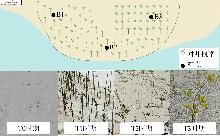
Fig.1
Schematic diagram of the survey stations"
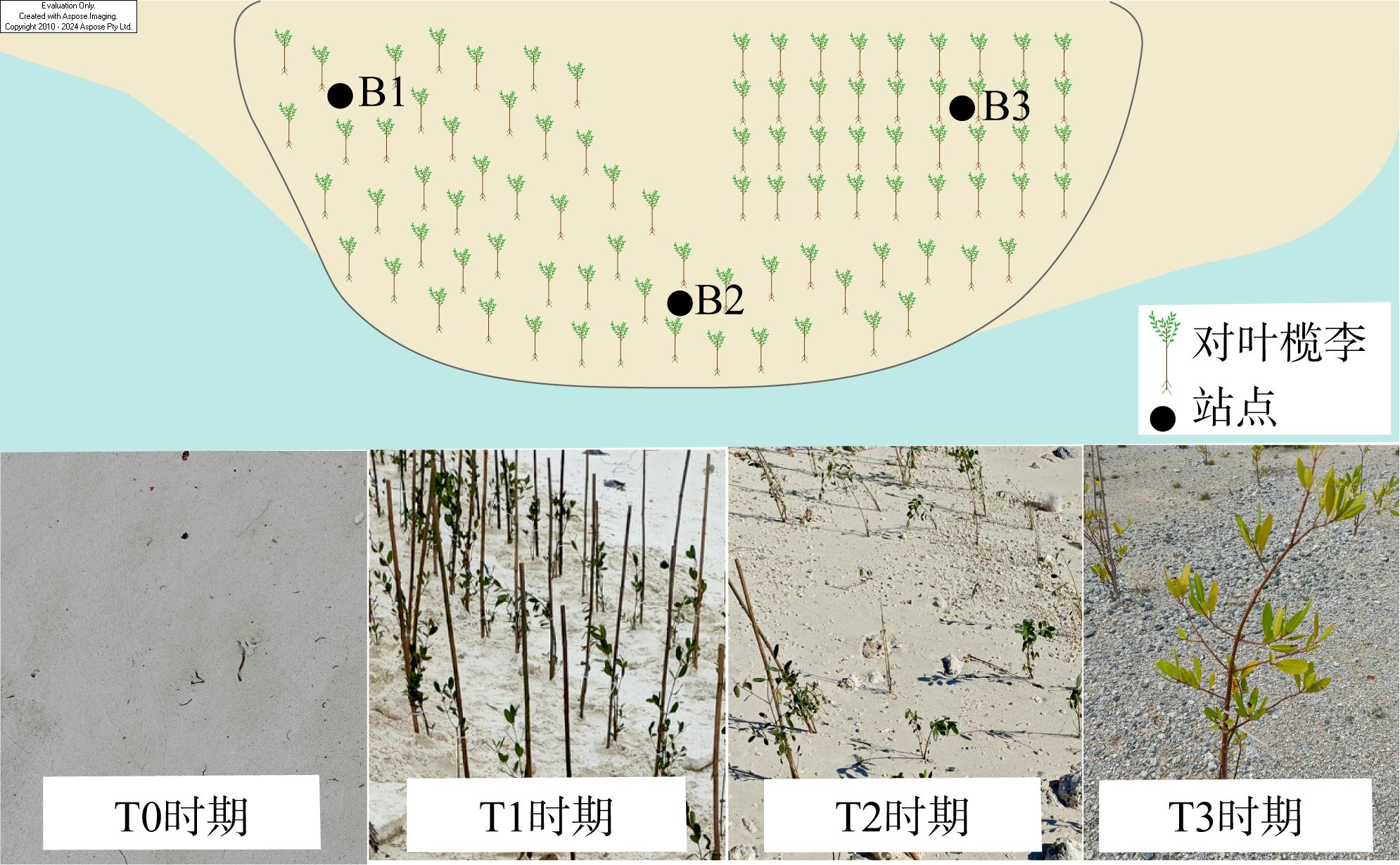
Fig.1
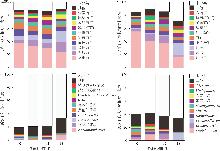
Fig. 2
Shifts in the bacterial and eukaryotic community composition in soils from coral sand beaches during vegetation restoration. (a, c) Bacterial composition at the phylum and genus levels, respectively; (b, d) eukaryotic composition at the phylum and genus levels, respectively"
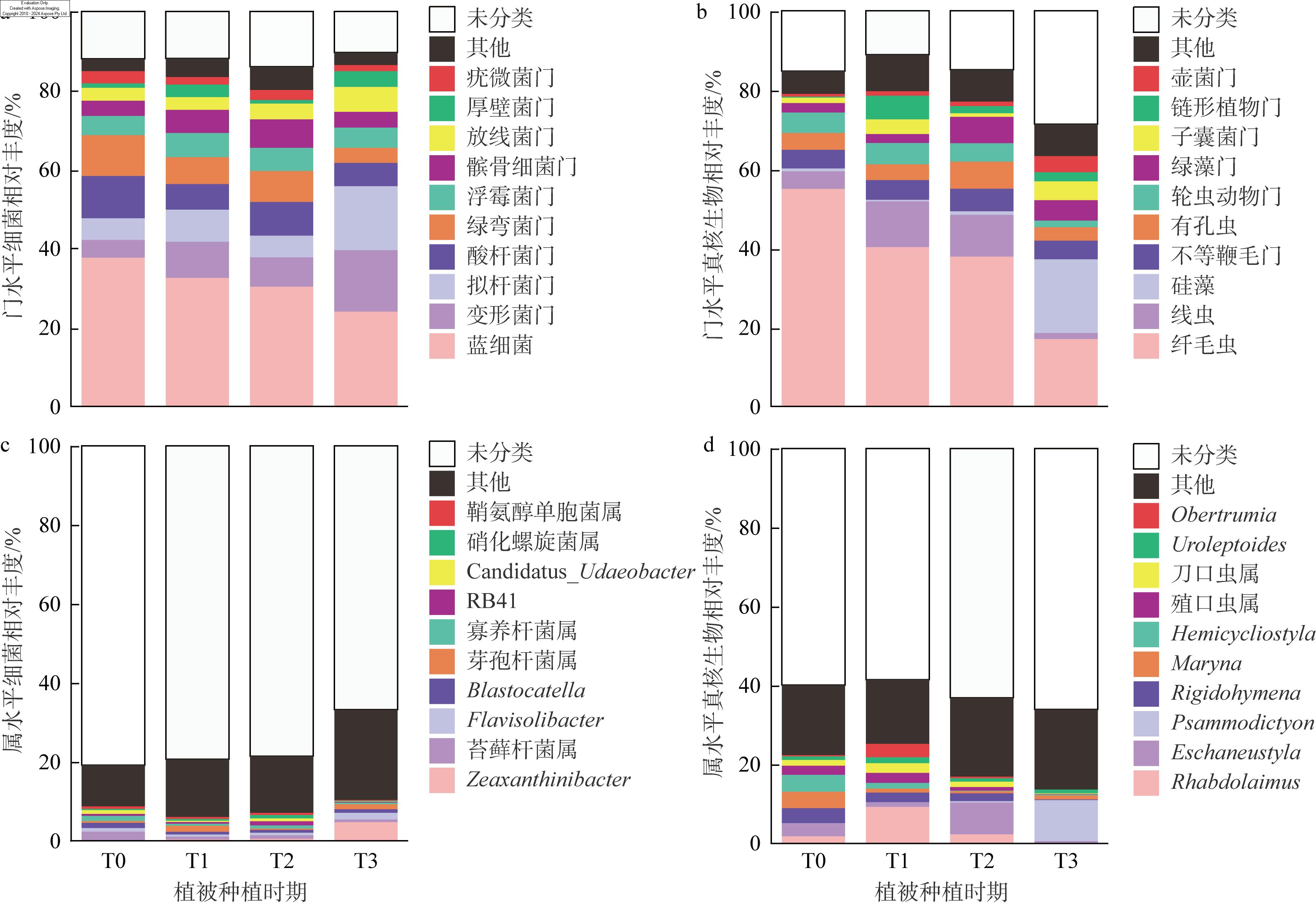
Fig. 2
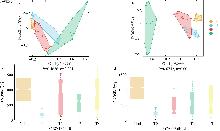
Fig. 3
PCoA and ANOSIM analyses of bacterial and eukaryotic communities in soils from coral sand beaches during vegetation restoration. (a, c) Analysis and significance testing of bacterial community structure; (b, d) analysis and difference testing of eukaryotic community structure"
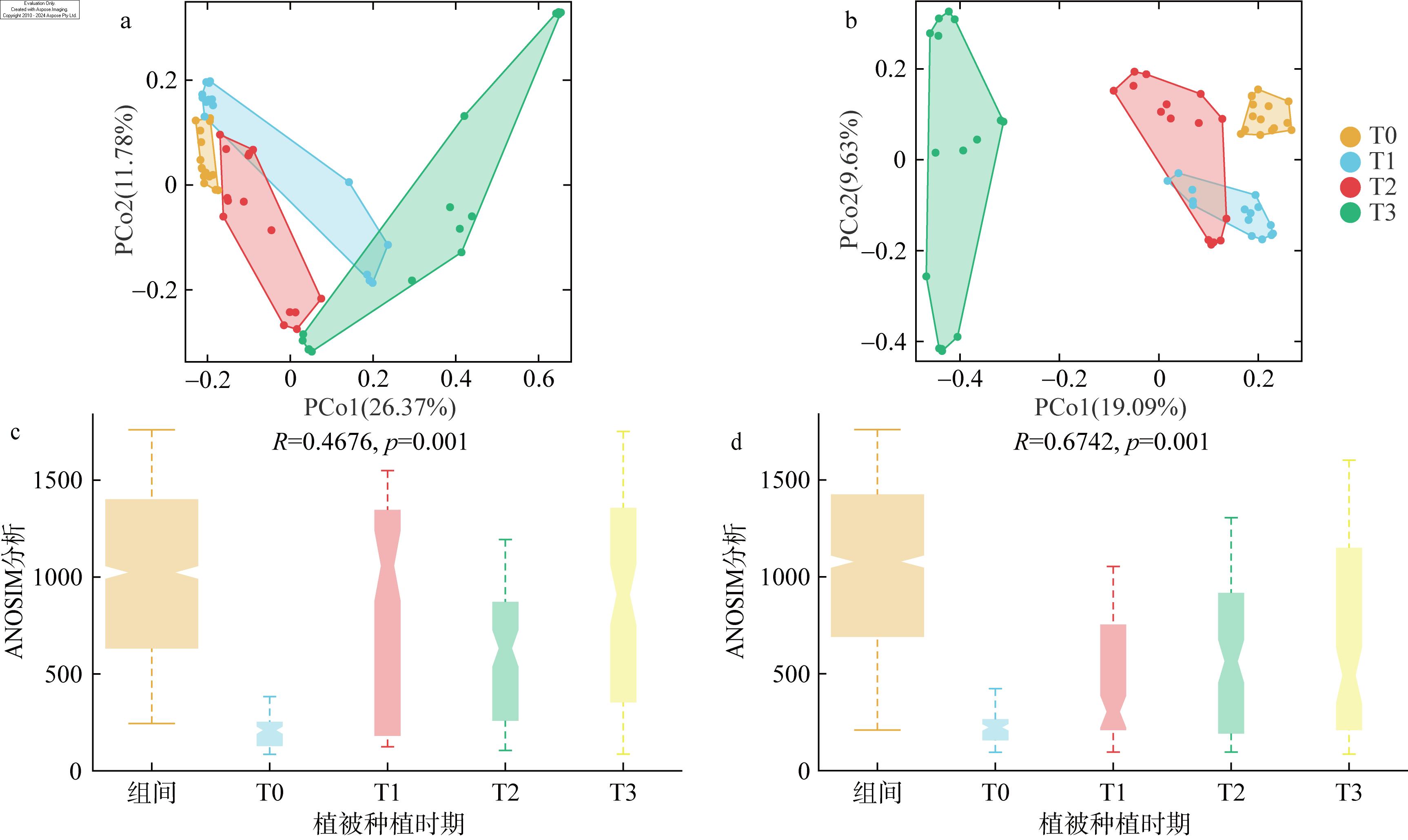
Fig. 3
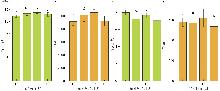
Fig. 4
Alpha diversity indices of bacterial and eukaryotic communities in soils from coral sand beaches during vegetation restoration. (a, b) Shannon and Chao1 indices of bacterial communities; (c, d) Shannon and Chao1 indices of eukaryotic communities"
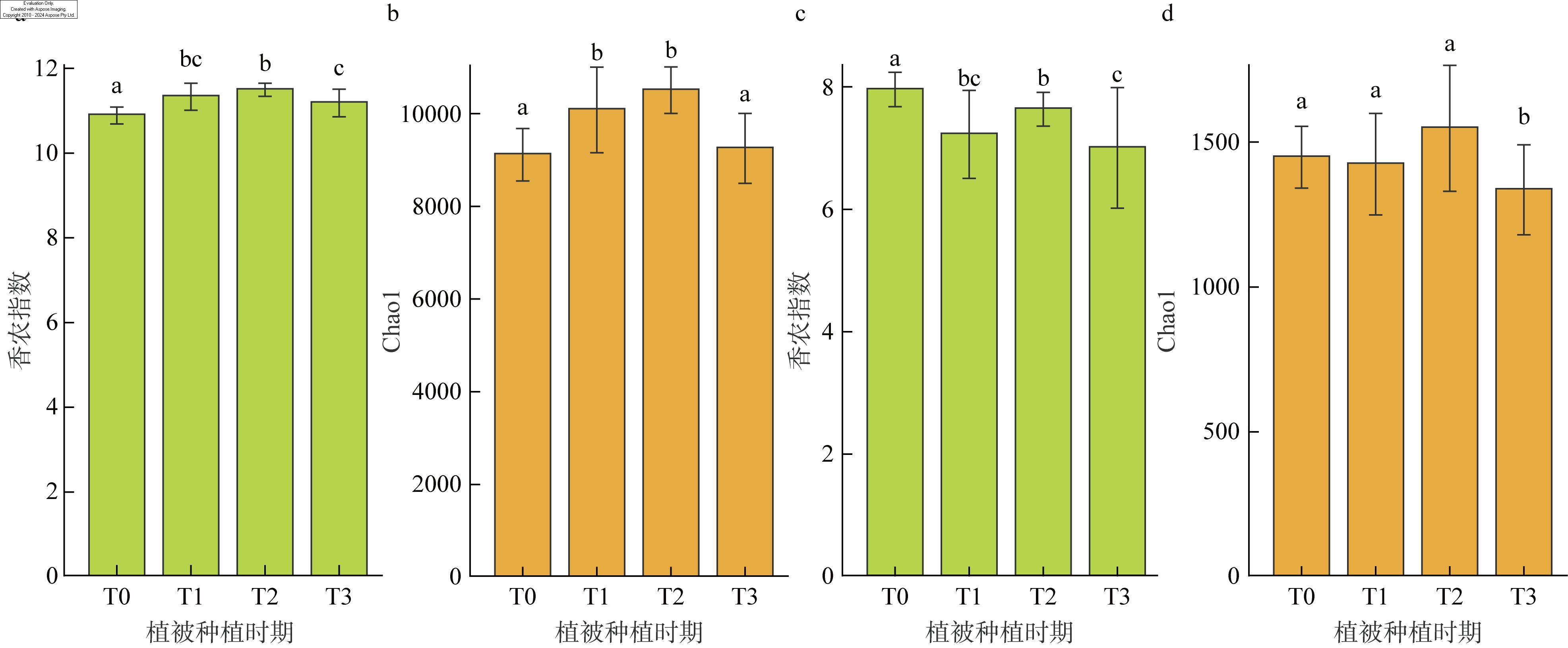
Fig. 4
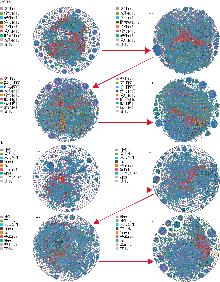
Fig. 5
Co-occurrence networks of bacterial and eukaryotic communities in soils from coral sand beaches during vegetation restoration. (a) Bacterial co-occurrence network; (b) eukaryotic co-occurrence network"

Fig. 5
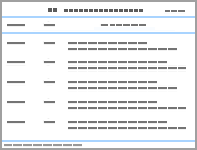
Tab. 1
Topological properties of bacterial and eukaryotic co-occurrence networks of coral sand beach soils during vegetation restoration"
| 拓扑属性 | 细菌 | 真核生物 | ||||||
|---|---|---|---|---|---|---|---|---|
| T0 | T1 | T2 | T3 | T0 | T1 | T2 | T3 | |
| 总结点数 | 1326 | 2487 | 2363 | 2601 | 729 | 998 | 1185 | 1347 |
| 总边数 | 8044 | 101197 | 97715 | 191572 | 1963 | 9713 | 18080 | 10421 |
| 正相关边比例/% | 86.3 | 90.7 | 91.4 | 72.4 | 91.2 | 71.9 | 89.6 | 94.1 |
Tab. 1
| [1] |
安芳娇, 牛子儒, 刘婷娜, 等, 2023. 西北荒漠绿洲过渡带土壤细菌结构和氮代谢对梭梭恢复的响应[J]. 生态学报, 43(20): 8454-8464.
|
|
|
|
| [2] |
安磊, 2024. 南海珊瑚礁沉积物线虫生物多样性及其共附生微生物研究[D]. 青岛: 中国科学院大学(中国科学院海洋研究所).
|
|
|
|
| [3] |
陈涵, 邹碧, 李应文, 等, 2024. 不同改良剂对珊瑚砂理化性质和氮素固持的影响[J]. 热带亚热带植物学报, 32(1): 10-16.
|
|
|
|
| [4] |
丁新辉, 刘孝盈, 刘广全, 等, 2019. 京津风沙源区沙障固沙技术评价指标体系构建[J]. 生态学报, 39(16): 5778-5786.
|
|
|
|
| [5] |
樊龙凤, 李海英, 黄真理, 等, 2021. 基于人工降水入渗的热带海岛表面砂土层水质变化特征[J]. 土壤, 53(1): 197-208.
|
|
|
|
| [6] |
何昕诺, 覃云斌, 马姜明, 等, 2024. 不同林分类型土壤表层微生物群落变化特征[J]. 广西科学, 31(4): 698-711.
|
|
|
|
| [7] |
黄晓婷, 李玫, 吴司琪, 2025. 南海礁区大型底栖有孔虫Mg/Ca值微区分布及其应用潜力[J]. 微体古生物学报, 42(1): 58-70.
|
|
|
|
| [8] |
江柔韵, 简丽丽, 石松标, 等, 2024. 美济礁沉积砂可培养细菌多样性分析[J]. 热带海洋学报, 43(6): 170-180.
|
|
|
|
| [9] |
李存, 崔林青, 杨红强, 等, 2022. 三份南海岛礁珊瑚砂样品中可培养细菌多样性[J]. 热带海洋学报, 41(2): 149-158.
doi: 10.11978/2021050 |
|
doi: 10.11978/2021050 |
|
| [10] |
李金业, 陈庆锋, 李青, 等, 2021. 黄河三角洲滨海湿地微生物多样性及其驱动因子[J]. 生态学报, 41(15): 6103-6114.
|
|
|
|
| [11] |
李劲, 程铭昊, 张溢, 等, 2025. 神农架国家公园不同植被类型土壤微生物群落结构及功能[J]. 生态学报, 45(10): 4842-4854.
|
|
|
|
| [12] |
李群, 莫冉, 张锋, 2023. 基于静态和动态数据推断微生物生态网络的理论方法与算法研究进展[J]. 生态科学, 42(5): 257-265.
|
|
|
|
| [13] |
李亚军, 王先明, 程贤松, 等, 2020. 美济礁近岸海域夏季浮游植物群落结构特征及其与环境因子的关系[J]. 热带作物学报, 41(3): 615-621.
doi: 10.3969/j.issn.1000-2561.2020.03.027 |
|
doi: 10.3969/j.issn.1000-2561.2020.03.027 |
|
| [14] |
刘玓玓, 张喜洋, 孙富林, 等, 2024. 南海海滩岩微生物群落结构和特定菌株对其成因机制的启示[J]. 热带海洋学报, 43(4): 112-122.
|
|
|
|
| [15] |
罗锋, 朱飞, 陈治澎, 等, 2024. 海滩带盐沼保护修复技术研究进展[J]. 海洋科学, 48(11): 102-109.
|
|
|
|
| [16] |
马改玲, 2022. 晋西北丘陵风沙区人工林对土壤微生物群落的影响[D]. 临汾: 山西师范大学.
|
|
|
|
| [17] |
孙创, 王金燕, 张钰琳, 等, 2021. 利用改良培养基探究西太平洋海水可培养细菌多样性[J]. 微生物学报, 61(4): 845-861.
|
|
|
|
| [18] |
王德, 傅伯杰, 陈利顶, 等, 2007. 不同土地利用类型下土壤粒径分形分析: 以黄土丘陵沟壑区为例[J]. 生态学报, 27(7): 3081-3089.
|
|
|
|
| [19] |
王靖雯, 李玉双, 侯永侠, 等, 2025. Cr污染土壤微生物修复技术研究进展[J]. 生态科学, 44(2): 240-247.
|
|
|
|
| [20] |
王友绍, 韩广轩, 盛彦清, 等, 2025. 滨海湿地生态修复与环境优化研究进展、战略机遇与挑战[J]. 热带海洋学报, 44(3): 1-13.
|
|
|
|
| [21] |
王友绍, 2021. 全球气候变化对红树林生态系统的影响、挑战与机遇[J]. 热带海洋学报, 40(3): 1-14.
doi: 10.11978/YG2020006 |
|
doi: 10.11978/YG2020006 |
|
| [22] |
吴鹏, 时小军, 吕向立, 等, 2019. 高通量测序分析北仑河口红树林潮间带底栖真核生物分布[J]. 应用海洋学学报, 38(2): 232-238.
|
|
|
|
| [23] |
杨文焕, 张明宇, 杨娅婷, 等, 2024. 冰封期不同类型湖泊细菌与蓝藻群落组成及共现网络分析[J]. 湖泊科学, 36(5): 1366-1379.
|
|
doi: 10.18307/2024.0513 |
|
| [24] |
赵中伟, 赵璇, 陈天然, 等, 2025. 西沙群岛珊瑚礁2015-2023年间海滩地貌演化与其区域海洋环境特征的关联性研究[J]. 热带海洋学报, 44(4): 25-44.
|
|
|
|
| [25] |
郑秋实, 刘永, 李纯厚, 等, 2024. 季节变化对珠江口棘头梅童鱼肠道和水体中细菌群落结构的影响[J]. 南方水产科学, 20(4): 77-87.
|
|
|
|
| [26] |
周胜男, 施祺, 郭华雨, 等, 2020. 2009-2017年南沙群岛珊瑚礁砾洲演变[J]. 热带地理, 40(4): 694-708.
doi: 10.13284/j.cnki.rddl.003255 |
|
doi: 10.13284/j.cnki.rddl.003255 |
|
| [27] |
浙江省市场监督管理局, 2024. 海堤生态性评价技术导则 DB33/T 1396-2024[S]. http://zjamr.zj.gov.cn (in Chinese).
|
| [28] |
doi: 10.1371/journal.pone.0317235 |
| [29] |
doi: 10.1038/nmeth.2276 pmid: 23202435 |
| [30] |
doi: 10.1111/oik.06054 |
| [31] |
doi: 10.1111/nph.17996 pmid: 35088410 |
| [32] |
|
| [33] |
doi: 10.1038/ismej.2010.26 |
| [34] |
doi: 10.1038/s41598-020-64858-9 pmid: 32433472 |
| [35] |
doi: 10.1093/bioinformatics/btr381 pmid: 21700674 |
| [36] |
doi: 10.3389/fimmu.2017.00354 pmid: 28424690 |
| [37] |
doi: 10.1007/s00248-024-02345-8 pmid: 38265481 |
| [38] |
doi: 10.1038/s41396-020-00882-x |
| [39] |
doi: 10.1016/S0015-3796(17)31084-3 |
| [40] |
doi: 10.1111/j.1469-8137.2006.01931.x pmid: 17244055 |
| [41] |
doi: 10.1093/nar/gkm864 pmid: 17947321 |
| [42] |
doi: 10.1016/j.ecss.2025.109276 |
| [43] |
doi: 10.3390/microorganisms13030590 |
| [44] |
doi: 10.1016/j.marpolbul.2023.115580 |
| [1] | JIA Suxiao, ZHANG Ruirui, WU Xiaoke, QIU Yueshan, LI Qiying, OU Haixu, SUN Guoling, CHANG Taoqi, XU Youhou, CAI Shuanghu. Analysis of bacterial diversity and environmental factors in the Pearl Bay Trachinotus ovatus Linnaeus aquaculture area [J]. Journal of Tropical Oceanography, 2026, 45(4): 63-76. |
| [2] | LI Xinzheng, DU Xiaoli, XU Yong, ZHANG Yue, WANG Jinbao, SUI Jixing, CHEN Dan. Study on the community characteristics of macrozoobenthos and environmental influencing factors in Maowei Sea, Qinzhou Bay during summer and winter* [J]. Journal of Tropical Oceanography, 2026, 45(4): 15-28. |
| [3] | QI Feng, DENG Xiaojie, GUAN Yongpeng, ZHOU Shengyao, HE Qing, RAJAPAKSHALAGE Thashikala Nethmini, LI Nan, JIANG Gonglingxia, CHEN Qingxiang, LEI Xinyue, HOU Qinghua, HUANG Laizhen, LI Xiaolei, WEI Qiaoyan. Study on the stability and complexity of diazotrophic communities and key driving factors in the root-associated zones of the mangrove plant Kandelia obovata [J]. Journal of Tropical Oceanography, 2026, 45(3): 153-163. |
| [4] | LI Kaizhi, HUANG Liangmin, YIN Jianqiang, LIAN Xiping, LIU Yuan, TAN Yehui. Review and prospects of zooplankton ecology in the South China Sea [J]. Journal of Tropical Oceanography, 2026, 45(2): 1-15. |
| [5] | FANG Yang, TANG Junyi, LUO Yuchi, YE Kuangmin, DENG Weihua. Impacts of exotic mangrove introduction on ecosystem health and service functions: A case study of three representative regions in Guangdong Province [J]. Journal of Tropical Oceanography, 2026, 45(2): 173-190. |
| [6] | JIANG Shoudian, HU Xin, LAN Peixin, YAO Liqin, SHUI Bonian, JI Jianda, HE Maoqiu. Seasonal distribution characteristics and environmental driving factors of bacterial communities in mangrove sediments of Ximen Island, Zhejiang Province [J]. Journal of Tropical Oceanography, 2026, 45(2): 117-128. |
| [7] | ZHANG Yu, LIU Ziyao, WANG Xiaoxue, CHEN Ran. Identification and structural analysis of the HicAB toxin-antitoxin system encoded by a prophage in coral-associated Halomonas meridiana [J]. Journal of Tropical Oceanography, 2025, 44(6): 120-131. |
| [8] | YANG Tianwei, LIN Jun, JIAO Junpeng, WU Yue. Integrated analysis of phytoplankton community structure in mussel aquaculture areas using net sampling with microscopy and LISST Holo2 [J]. Journal of Tropical Oceanography, 2025, 44(6): 91-107. |
| [9] | YU Zhen, GUO Xiangrui, LIU Xuerui, SUN Hao, ZHANG Yanying. Community structure of rhizosphere eukaryotic microorganisms and its influencing factors of three seagrass species along the coast of Shandong Province [J]. Journal of Tropical Oceanography, 2025, 44(5): 86-96. |
| [10] | LI Da, WANG Yunzhong, QI Jiguang, YANG Cuihua. Effects of water quality changes on community structures of Symbiodiniaceae and symbiotic bacteria in soft coral Lobophytum sp. [J]. Journal of Tropical Oceanography, 2025, 44(4): 136-144. |
| [11] | HE Chen, WANG Jianing, ZHOU Linbin, KE Zhixin, LIU Weiwei, LIU Jiaxing, WANG Junxing, TAN Yehui, CHEN Zhiyun. Comparison of macrobenthic community structure between seagrass beds in Xincungang and Li’angang, Hainan [J]. Journal of Tropical Oceanography, 2025, 44(4): 106-118. |
| [12] | HE Mingfeng, HUANG Jiaxiang, TIAN Yongqi. Research on the antioxidant and antibacterial activities of secondary metabolites from Gelidium-derived fungus Aspergillus fumigatus 9-1 [J]. Journal of Tropical Oceanography, 2025, 44(3): 157-166. |
| [13] | YANG Jie, YAO Feihua, LI Xiaoyan, SHI Jieyu, YI Xiangxi, GAO Chenghai. Secondary metabolites from the fungal-bacterial symbiont Aspergillus spelaeus GXIMD 04541 / Sphingomonas echinoides GXIMD 04532 derived from Mauritia arabica [J]. Journal of Tropical Oceanography, 2025, 44(2): 56-63. |
| [14] | KONG Weiqi, JIN Xin, LIU Yonghong, GAO Chenghai, CHEN Xianqiang. Studies on secondary metabolites of Sargassum fusiforme derived fungus Aspergillus sp. GXIMD 02045 [J]. Journal of Tropical Oceanography, 2025, 44(1): 154-161. |
| [15] | ZHOU Zhixi, TANG Huijuan, KE Zhixin, LIU Jiaxing, ZHOU Weihua. Phytoplankton community structure and its relationship with environmental factors in the spring coastal region of Nan’ao based on morphology and high-throughput sequencing [J]. Journal of Tropical Oceanography, 2025, 44(1): 53-65. |
|
||